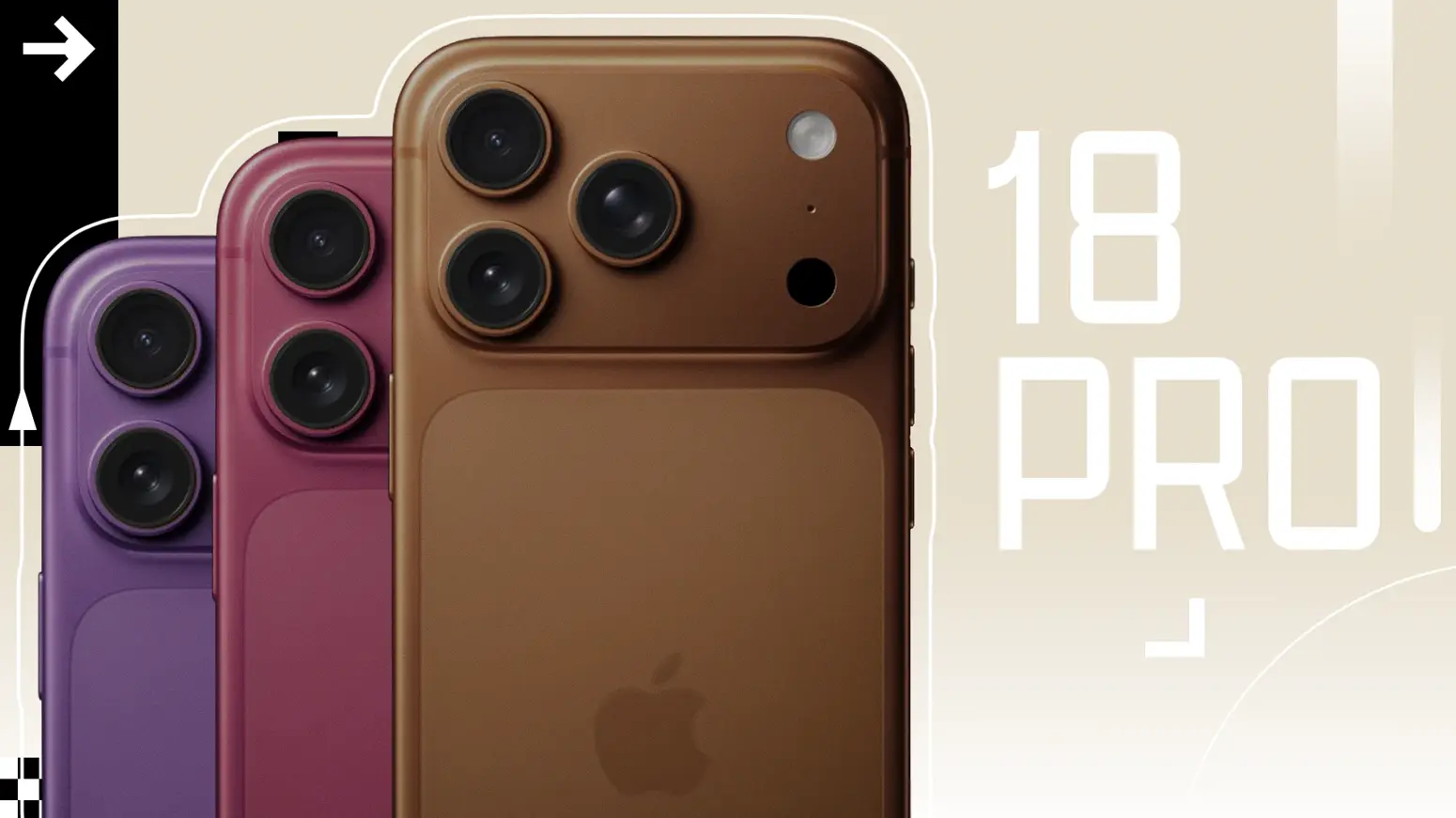

I’ve started noticing the same friend texting me the same message every time a new iPhone leak drops. He’s not a tech writer, he doesn’t cover Apple for a living, he just really, really wants me to tell him whether it’s finally worth upgrading. Since he does this with the reliability of a subscription renewal, I’ve started calling him “Upgrade Uncle” in my head.
Every time a leak surfaces, the pattern is the same. He’ll send me a screenshot of some spec sheet, followed by, “Is this the one?”
“Every year you say this year is the one,” I told him last week. “You said the 15 Pro was the one. You said the 17 Pro Max was the one.”
“This time I mean it,” he wrote back. “Cameras don’t lie.”
I laughed it off at first. Then I actually read the leak he was talking about, and for the first time in a while, I understood why he was so worked up.
What Actually Leaked
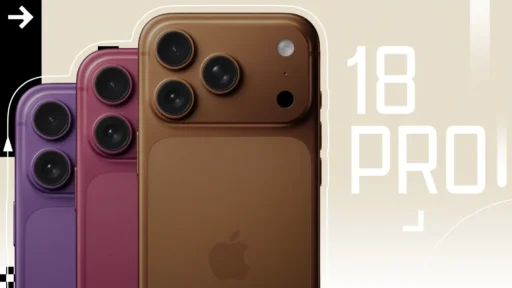
The source here isn’t some anonymous forum post or a screenshot with suspiciously perfect lighting. It’s tied to a genuinely messy, very real event: a 630GB data breach at Tata Electronics, one of Apple’s manufacturing partners in India, reportedly carried out by the World Leaks ransomware group. Buried inside that dump was an internal diagnostics log for the iPhone 18 Pro Max’s camera system, and outlets like Notebookcheck have been picking it apart piece by piece over the past few weeks.
I’ve read a lot of “leaked spec sheets” over the years that turned out to be nothing. This one reads differently, because it isn’t a leaker’s guess dressed up as insider knowledge. It’s an actual internal log, the kind of file that exists to help engineers debug hardware, not to hype up a launch.
Here’s what it points to.
A New Sony IMX905 Sensor
The main event is a swap from whatever sensor powered the iPhone 17 Pro Max to a new Sony IMX905. On paper, that might sound like a modest bump. It’s not, and here’s why.
The pixel size is staying at 1.22 microns, so this isn’t Apple chasing bigger numbers for a spec sheet. What’s actually changing is more interesting: the sensor is reportedly built to support a mechanical variable aperture, something no iPhone has ever had.
I remember explaining variable aperture to Upgrade Uncle over the phone, and watching him get quiet in the way people do when they’re finally paying attention. Every iPhone camera up to this point has had one fixed aperture, meaning the lens lets in a fixed amount of light no matter what you’re shooting. Android flagships from Samsung and Huawei have played with variable aperture for years, letting the lens physically widen or narrow depending on the shot. Apple sitting this out for a decade while calling its camera “pro” always felt a little funny to me.
The Rest of the Camera System Isn’t Changing Much
This is the part that made Upgrade Uncle’s excitement a little premature, and honestly, the part I appreciated most about the leak. The telephoto camera appears to be carrying over its 0.7-micron native pixels and the same 3-axis spherical actuator gimbal-style stabilization from the 17 Pro Max. The ultra-wide, the LiDAR scanner, the front camera, all reportedly unchanged.
I’ve covered enough of these cycles to know Apple rarely reinvents every camera at once. It picks a component to obsess over each generation and leaves the rest alone. Last year it was the telephoto. This year it’s clearly the main sensor, and specifically, the aperture.
The Trade-Off Nobody’s Talking About Yet
Here’s where I stopped nodding along and started asking harder questions. Reports also suggest the Pro Max could see a price increase of around $200, tied partly to rising camera component and memory costs. Other reporting, including from Tom’s Guide, cites analysts like Ming-Chi Kuo and Jeff Pu suggesting Apple might actually hold pricing flat this cycle by negotiating better memory deals with Samsung and SK Hynix. Two respected sources, two different conclusions. That’s usually a sign we’re still a few months away from anyone actually knowing.
I told Upgrade Uncle this part, and predictably, he didn’t want to hear it.
“So it might not even be cheaper,” he said.
“It might not even be the same price,” I said. “Nobody’s sure yet.”
Why the Variable Aperture Actually Matters
I’ve shot enough phone photography over the years, in enough bad lighting, to know exactly where a fixed aperture fails you. Fixed aperture lenses are a compromise by design. Apple’s current main camera sits at f/1.78, which is great in low light but can make bright, sunny shots slightly harder to control, sometimes forcing the software to compensate through shutter speed and processing tricks instead of the optics doing the work.
A variable aperture lets the hardware do more of that job. Widen it at night, narrow it in harsh daylight, and you get more consistent exposure and depth of field without leaning entirely on computational photography to fix it after the fact. It won’t replace Apple’s software wizardry, Apple has never been shy about layering Photonic Engine and Deep Fusion processing on top of every shot, but it gives the hardware a real say in the outcome again.
That’s the shift I find genuinely exciting here. It’s not a marketing bullet point. It’s Apple admitting, in its own quiet way, that computational photography can only stretch a fixed lens so far.
What’s Still Unconfirmed
I want to be straight with you, the way I’d want any tech writer to be straight with me. Apple hasn’t confirmed any of this. The identifier for the sensor, reportedly “0x905,” is being interpreted as the IMX905 based on Sony’s usual naming pattern, not stated outright in the leak. The final aperture range, how wide or how narrow it can actually go, hasn’t been detailed anywhere reliable yet. And the launch itself, expected in September 2026 alongside the rest of the iPhone 18 lineup, is still just an expectation based on Apple’s usual fall schedule.
I’ve been burned before by leaks that sounded definitive in July and quietly vanished by September. This one has more going for it than most, mainly because it’s tied to an actual internal document rather than a leaker’s Weibo post, but “more credible” still isn’t the same as “confirmed.”
So, Is This the One?
I still haven’t given Upgrade Uncle a straight answer, mostly because there isn’t one yet. If the variable aperture claims hold up, this could be the most meaningful camera change Apple’s made to the Pro line in years, not because of a bigger sensor or another lens bolted onto the back, but because it’s finally letting the hardware breathe a little instead of asking software to cover for it every time.
Whether that’s worth $200 more, or the same price, or whatever Apple decides in September, is a question I genuinely can’t answer for him yet. And honestly, I think that’s the part he still hasn’t accepted.
You May Also Like: